
Online and on-site registration, run from one guest record
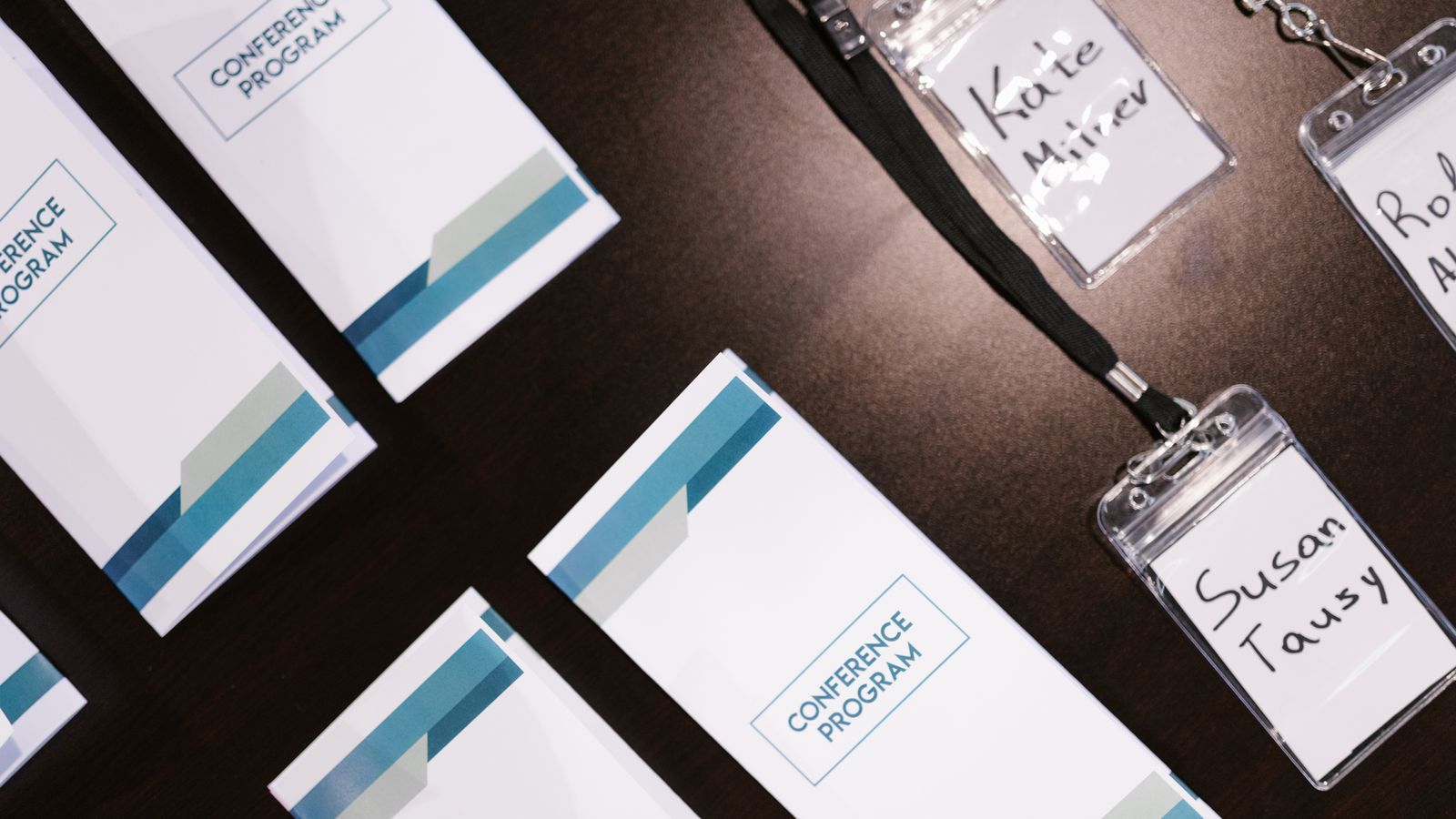
A guest registers online three weeks out. On event day they walk up to the desk, give their name, and the staff member opens a different list that has never heard of them. Now there are two records, two name tags, and a queue forming behind a problem that should not exist. The fix is simple to say and hard for most tools to do: keep one record per guest, from the first click to the door.
Where the two-list problem comes from
Online registration usually lives in one tool. The check-in list often gets exported to a spreadsheet the night before and loaded into something else at the desk. The moment you export, the record stops updating. A guest who upgrades their ticket at 9pm, or pays a balance at midnight, never makes it onto the desk's copy. The staff are working from yesterday's truth.
What one record changes
When online sign-up and on-site check-in read and write the same record, the desk always sees the current state. The guest who upgraded shows as upgraded. The one who still owes a payment shows a flag the staff can act on. A walk-in registered at the door appears instantly in the same list and the same reports as everyone else.
- No overnight export, so no stale list at the desk
- Walk-ins and pre-registrations sit in one place, counted together
- Dietary notes, session picks, and VIP flags travel with the guest
- A correction made at the desk shows up in the live numbers at once
It changes the day, not just the data
With one record, the person at the desk can do real work, not just tick names. They can take a payment, fix a misspelled name on the spot, add a plus-one, and print a corrected badge. The guest moves through in seconds, and your reports at the end of the night actually add up because nothing was tracked in a side spreadsheet.
Built for how GCC events really run
At a Doha conference you might pre-register 800 people and still take 200 walk-ins on the morning, half of them needing an Arabic name on the badge. One guest record handles both flows with the same staff and the same screen. The walk-in gets the same QR pass, the same app access, and the same seat in your numbers as someone who booked a month ago.
A worked example from the desk
Picture a 600-person summit in Doha. By the night before, 480 have registered online and 30 hold outstanding balances on sponsor seats. The morning brings 150 walk-ins. With one record, the desk scans the 480 in a few seconds each, takes the 30 balances on the spot, and registers every walk-in into the same list with the same QR pass. By 9:30 the live count reads 612 in the room, and it is right.
Now run that on two lists. The 30 balances are invisible at the desk, so those guests walk in unpaid and you chase them afterwards. The walk-ins land in a spreadsheet nobody merges until Monday. The final number is a guess, and the sponsor who paid for 30 seats has no proof anyone used them. Same event, same staff, one design choice between a clean morning and a messy week.
The cost of two lists is never visible in the demo. It shows up at 8:45 on event day, in the queue and in the numbers that will not reconcile. If your current setup involves exporting a list the night before, that export is the weak point. Close the gap and run the whole guest journey, online and on-site, off a single record.